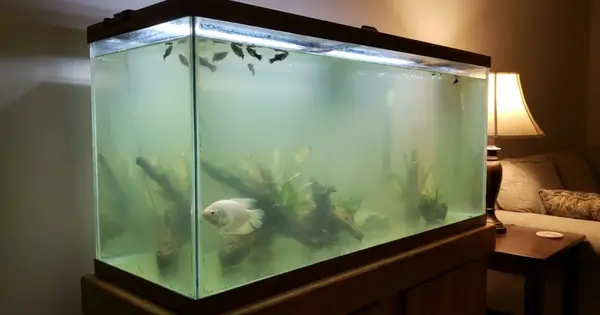
A tiny snail appears from the wet leaves of a new aquarium plant. It’s as small as a sesame seed. Is it good or bad for your water world?
My experience shows that snails are crucial to the health and balance of underwater ecosystems. They’re often unexpected but offer big benefits. Snails are indeed good for freshwater aquariums. They clean and stabilize the environment for other water creatures.
Snails bring unexpected benefits to freshwater aquariums. They act as nature’s clean-up crew.
They work hard to break down waste, turning it into something good. Snails keep water clear by eating unwanted algae and decay. Their foraging helps create a healthier and more interesting home for fish and plants.
Key Takeaways
- Aquarium snails offer significant cleaning services by removing algae and decaying materials.
- Silent contributors to the aquatic cleanup crew, snails help sustain a balanced ecosystem.
- Understanding the ecosystem benefits of these mollusks can shape how aquarists perceive their role in tanks.
- By natural detritus consumption, snails can actually propel the health and clarity of freshwater aquarium systems.
- Embracing the presence of snails could mean a leap towards enhanced tank harmony and reduced maintenance efforts.
- Aquatic snails’ unexpected arrival can illuminate the interconnectedness of life within an aquarium.

Understanding the Roles of Snails in Freshwater Aquariums
Keeping a balanced aquarium is essential, and over the years I’ve learned that snails are key for this balance. They take on important tasks to keep the ecosystem healthy. These tiny creatures play a big role in the tank’s health but often go unnoticed.
Snails have many jobs in the tank. They clean the substrate by eating debris. This debris includes waste, leftover food, and dead plants. By doing this, they not only clean but also help water flow better. This stops harmful bacteria from growing.
Snails also eat algae, which keeps the tank clean and balanced. They graze on tank surfaces, helping maintain a clear view. Their eating habits prevent algae overgrowth. This keeps the ecosystem balanced.
- Algae consumption: Helps control algae levels, reducing the need for chemical treatments.
- Substrate aeration: Their burrowing behavior prevents toxic gas build-up and promotes healthy root growth for aquatic plants.
- Decomposition of organic waste: Snails manage detritus, keeping tank conditions pristine for other inhabitants.
Think of snails as part of a clean-up team. They work quietly to keep the tank both beautiful and healthy. By understanding their roles, many aquarium lovers have changed their view. Snails are now seen as helpers, not pests.
| Snail Activity | Benefits to Aquarium | Contribution to Ecosystem Balance |
|---|---|---|
| Detritus Consumption | Cleaner substrate, less mechanical filtration required | Reduces ammonia and nitrite levels, promoting healthy water conditions |
| Algae Grazing | Tank glass and decorations remain clear of unsightly algae growth | Prevents domination by a single algae species, maintaining biodiversity |
| Substrate Aeration | Better root health for aquatic plants | Supports beneficial nitrifying bacteria, aiding in nitrogen cycling |
The Unexpected Entry of Snails into Your Aquarium
I didn’t expect snails when I set up my aquarium, but they sneak in on live plants. From one side this is a good thng, but from another, they can harm the plants and introduce pests.
Here’s how to keep them out.
The Sneaky Stowaway: How Snails Hitch Rides on Plants
Snails find ways into our tanks. They catch rides on plants, turning our tanks into their homes. This happens when we add new plants without checking them first.
Even with careful checks, tiny snail eggs often go unnoticed, causing a sudden snail boom. To avoid pest snails, always inspect new plants.
Quarantine and Treatment of Live Plants
I always quarantine new plants, and in many cases it saves the aquarium. One way to kill snail eggs is the bleach dip. Though it sounds tough, a short bleach soak can clear any snail eggs. Just make sure to rinse the plants well afterward.
Ensuring New Additions are Snail-Free
Based on my experiences (both good and bad), I check everything before it goes into my tank.
This includes plants, substrates, and decorations. A new filter might even have snail eggs. By being careful with new items, my tank stays free of pests.
Keeping your aquarium snail-free takes patience and careful checks. Using methods like plant quarantine and the bleach dip helps a lot. Always inspect new items to keep your tank happy and pest-free.
Benefits of Snails in Your Aquarium Ecosystem
For those who love aquascaping and want a clean tank, snails might be the answer. These snails don’t just look interesting. They help fight algae, making your tank cleaner and healthier.
Algae Control: Snails as Natural Algae Removers
Using snails to control algae works well for both experts and beginners. They eat algae off tank glass, decorations, and plants. This keeps your aquarium looking great and balanced.
Snails as Detritivores: Keeping the Tank Clean
Snails are great tank cleaners. They eat dead plants, uneaten food, and other waste. This helps keep the tank’s ecosystem balanced and clean.
Aeration and Substrate Maintenance
Malaysian trumpet snails are amazing for aeration. They move through the substrate, cleaning and adding oxygen. This helps keep plant roots healthy and prevents harmful gases.
| Snail Species | Benefits | Preferred Algae Type | Substrate Preference |
|---|---|---|---|
| Malaysian Trumpet Snails | Substrate aeration, reduces detritus | Biofilm and soft green algae | Gravel and soft sediment |
| Nerite Snails | Effective glass cleaners, minimal bio-load | Green spot and brown diatom algae | Not substrate-dependent |
| Ramshorn Snails | Aesthetic appeal, controls algae and detritus | Soft algae, rotting plants | Any, but often seen on hard surfaces |
Identifying Common Freshwater Aquarium Snails
As a passionate aquarist, I’ve always found that understanding the types of snails for aquarium use is crucial for any well-maintained tank.
Among the most common are bladder snails, Malaysian trumpet snails, and ramshorn snails. Each of these species adds both aesthetic charm and certain ecological benefits to an aquarium.
Let’s take a closer look at these fascinating mollusks. The bladder snails are known for their rounded shells and love for eating algae and waste. They make great cleaners.
Malaysian trumpet snails have long, cone-shaped shells and are active at night. They help mix and aerate the sand in the tank.
Lastly, the cool ramshorn snails have flat, spiral shells. They do well in tanks with lots of plants and eat algae off the leaves.
However, before adding these snails to your tank, think about how they reproduce and soon might become too many. Below is a detailed table highlighting the key characteristics of these snails to help you make an informed decision:
| Snail Type | Shell Shape | Color Variants | Diet | Reproduction Rate | Preferred Habitat |
|---|---|---|---|---|---|
| Bladder Snails | Rounded | Light brown to dark brown | Algae, detritus | High | Wide range, adaptable |
| Malaysian Trumpet Snails | Conical, elongated | Dark brown, often with stripes | Organic debris, leftover food | Moderate | Soft substrate for burrowing |
| Ramshorn Snails | Flat, spiral | Red, blue, brown | Algae, plant matter | Moderate to high | Planted areas |
In my experience, keeping the snail population balanced is vital. They help keep the tank clean, but too many snails can cause problems.
Always watch their numbers and think about how they fit with other fish and plants. Picking the right types of snails for aquarium use is key, and it will make your tank look better and keeps it healthy.
Controlling Algae with Snails in Your Tank
Keeping your freshwater aquarium clean is easier with algae-eating snails. They are both effective and safe for the environment. It’s vital to choose selecting algae-eating snails that fit your tank’s needs. This ensures a healthy aquarium.
Choosing the Right Snails for Algae Control
Pick snails that like to eat the algae in your tank. Not all snails are the same in how much algae they eat. So, doing your homework is important.
For instance, Nerite snails are great at eating algae. They are a top choice among U.S. fish keepers.
Balancing Snail Populations with Algae Availability
Getting the right number of snails depends on how much algae you have.

An ideal amount of algae keeps things in balance. Snails help with tank cleaning without causing issues. But, having too little algae can naturally limit the number of snails.
| Snail Type | Algae Preference | Growth Rate | Population Control |
|---|---|---|---|
| Nerite Snails | Green algae, diatoms | Moderate | Limit food source, isolate breeding |
| Ramshorn Snails | Soft algae, detritus | Fast | Manual removal, predator introduction |
| Mystery Snails | Various algae types | Slow | Control excess food, maintain optimum density |
Pros and Cons of Adding Snails to Freshwater Tanks
I find the benefits of snails in aquarium settings fascinating. These creatures help the life cycle in tanks by eating algae and cleaning waste. They also make the tank look better.
But, I’ve learned to watch out for the freshwater aquarium snail drawbacks. They can reproduce quickly and might overcrowd the tank. So, it’s important to control their numbers.
Snails are great at keeping tank walls and the bottom clean of algae. But, this can lead to too many snails if the tank has a lot of food.
Too many snails can harm other animals by using up resources. This has made me keep a close eye on my snail count.
- Effective algae removal
- Decomposition of organic waste
- Substrate aeration and movement
- Natural aesthetic appeal
The downsides make me think twice:
- Overpopulation risks
- Potential for excessive waste
- Resource competition with other tank inhabitants
- Need for frequent population control measures
To manage these issues, I use predatory fish or remove snails by hand and this keeps the tank balanced.
Snails for Freshwater Aquarium Maintenance: Helpful or Harmful?
Many people enjoy having aquarium maintenance snails in their tanks. But, there’s a big debate about them among hobbyists. The main question is whether the snail benefits outweigh the risks.
In many cases snails can be great for tank health. They work hard to clean algae, debris, and uneaten food from tanks. This helps keep the water clean.
But, if there are too many of them, they can become a problem instead of a help.
- Their natural tendency to feed on undesirable algae can keep tank surfaces cleaner.
- By sifting through the substrate, snails help aerate the tank bed, which is crucial for the health of plants and beneficial bacteria.
- Their waste contributes to the nutrient-rich environment, supporting an ecologically balanced habitat.
To avoid issues, you must control their population. Too many snails can create too much waste. This can stress out other creatures in the tank. Keeping their numbers in check is key.
Types of Snails Suited for Aquarium Life
When thinking of adding to my aquarium, I look at suitable snail species. They help balance the ecosystem. Plus, they are like a natural cleaning team for the water.
Nerite snails are great for eating algae. They make a big difference in any tank. Assassin snails, however, control snail populations. This prevents too many snails in the tank.
| Snail Type | Size | Diet | Reproduction Rate | Tank Size Compatibility |
|---|---|---|---|---|
| Nerite Snails | Up to 1 inch | Algae and biofilm | Low (in freshwater) | 5 gallons and up |
| Assassin Snails | Up to 3 inches | Carnivorous (other snails, worms) | Moderate | 10 gallons and up |
| Apple Snails | Up to 6 inches | Vegetation, pellets, organic debris | High | 20 gallons and up |
Snails as Cleaners in Fish Tanks: Myth or Reality?
Many people have wrong ideas about snails in fish tanks. I’ve looked closely at debunking snail myths and their true role. Through observation and research, I’ve learned how snails really help underwater.
Myth Busting: Snails’ Contribution to Tank Cleanliness
Snails do a great job as part of the fish tank clean-up crew. They help by eating algae and left-over foods. This is key to keeping the tank clean.
But remember, they can’t fix all cleanliness issues alone, so if you have a large algae problem, you need to do part of the job as well.
Integrating Snails into the Clean-up Crew
Adding snails to your tank needs careful planning. First, pick the right snail species for your tank. Too many snails can cause problems by creating more waste. Keep an eye on them to make sure they help, not hurt, your tank.
Creating a Balanced Ecosystem with Aquarium Snails
In my experience, snail population management is key for maintaining aquarium harmony.
With careful ecosystem planning, our tank friends can live together well. We do this by keeping the food in balance, helping both snails and fish.
Managing Snail Populations for Tank Harmony
To help our aquarium community planning and keep ecosystem balance, limiting food is often needed. This approach stops too many snails from growing. It makes them help clean the tank, eating algae and leftovers.
Regular cleaning is a must. We clean the glass, trim plants, and vacuum the ground. This keeps the tank neat and controls the snails.
Complementary Species: Snails and Fish Compatibility
In finding the right harmonious tank species, knowing snail and fish compatibility is crucial.
Pick snails for both their help in the tank and their peaceful living with fish. We think about their size and how fast they reproduce. This makes sure they fit well with the fish and keep the tank healthy.
Aquarium community planning really pays off. It makes a living scene that’s pretty and healthy. By understanding how everything in our tanks depends on each other, we create a great underwater world. This benefits both snails and fish.
Conclusion
Snails are great for freshwater aquariums. They help keep the water clean by eating waste and algae. This keeps the water clear and helps other creatures in the tank stay healthy. Many people with aquariums, like me, have learned how important snails are.
But, it’s important to keep an eye on how many snails you have. Too many can upset the balance of your tank.
Having snails in my tank has been rewarding. They need careful watching to live well with others in the water. This balance helps everyone in the tank and keeps our underwater worlds beautiful.
FAQ
Are snails good for freshwater aquariums?
Snails can be very beneficial for freshwater aquariums. They play a vital role in maintaining a balanced ecosystem by consuming detritus like fish waste, uneaten food, and decaying plants, which helps with substrate aeration and algae control.
What roles do snails play in freshwater aquariums?
Snails help maintain an aquarium ecosystem. They act as natural algae removers and detritivores that keep the tank clean. They also aid in substrate aeration to prevent conditions that could harm aquatic life.
How do snails end up in aquariums unexpectedly?
Snails or their eggs often hitch rides on live plants or decorations added to aquariums. They can come from places where snails are common. Eggs being difficult to spot on the plants.
How can I prevent snails from entering my aquarium?
To keep snails out, quarantine new live plants. Perform bleach dips to kill snail eggs. Also, check new substrates, filters, or decorations for snails and eggs.
What are the benefits of having snails in my aquarium ecosystem?
Snails offer many benefits. They control algae naturally, keep the tank clean by consuming waste, and help in substrate aeration through their actions.
What types of snails are common in freshwater aquariums?
Common types include bladder snails, Malaysian trumpet snails, and ramshorn snails. Each type has unique benefits for your tank’s environment.
How do I choose the right snails for algae control?
Select right snails based on your tank’s specific conditions and algae types. Some snails prefer certain algae, so match the snail to your algae problem.
How can I balance snail populations with algae availability?
Limit food sources and manage snail habitats in the tank. This keeps snail numbers in check and they stay helpful to the tank’s health.
What are the pros and cons of adding snails to freshwater tanks?
Adding snails helps by eating algae and waste, aiding a balanced ecosystem. But, they can overpopulate quickly if not managed well.
Are snails really helpful for freshwater aquarium maintenance?
Snails help by eating algae, waste, and decay. But, keeping their numbers managed is key to avoid overpopulation issues.
What types of snails are best suited for life in aquariums?
Snails like nerite snails, assassin snails, and apple snails are great for tanks. They clean well and are less prone to overpopulate in a well-cared-for tank.
Do snails actually contribute to tank cleanliness, or is that a myth?
Snails do help keep tanks clean by eating algae and waste. But, too many snails can lessen their cleaning benefits, so balance is crucial.
How can I integrate snails into my tank’s clean-up crew?
Choose snail species that clean well and fit your tank’s conditions. Keeping their population balanced maximizes their benefits.
How can I manage snail populations to maintain harmony in my tank?
Control their food supply, keep the tank clean, and introduce natural predators. This helps manage snail numbers.
Are snails and fish always compatible in the same aquarium?
Snails and fish can coexist. Choose snail species of a suitable size and temperament to live peacefully with your fish.