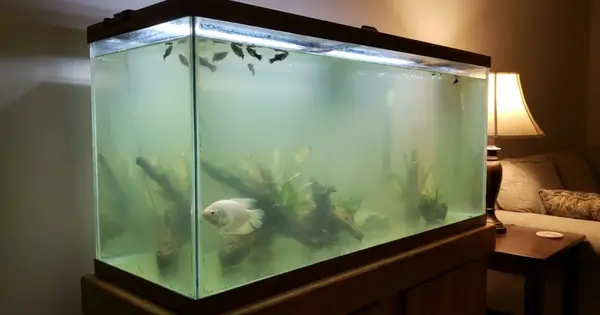
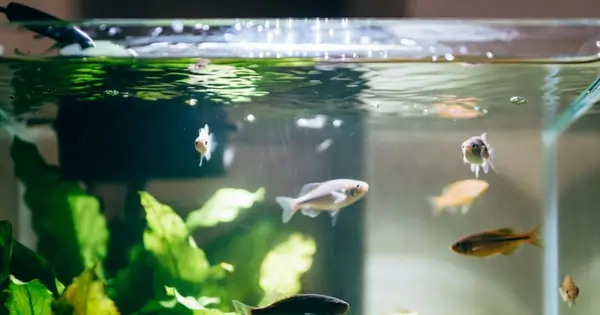
To start cycling your aquarium with live plants, first, set up your tank and choose resilient plants like Anubias, Java Fern, and Amazon Sword. These plants are great because they’re tough and help clean the water.
Next, add something that releases ammonia to get the cycle going. This could be fish food or a special ammonia solution you can buy. Then, keep an eye on the water’s ammonia, nitrite, and nitrate levels with a test kit. Adjust the water as needed to keep everything balanced.
Having live plants from the start is a smart move. They soak up nitrates, helping to speed up the cycling process. This makes a healthier environment for your fish and plants to live in. The key here is patience and regular water testing. This ensures your fish have a safe home.
Here’s a simple guide to follow:
- Set Up: Choose a tank, fill it with water, and pick hardy plants.
- Start the Cycle: Add an ammonia source to begin the nitrogen cycle.
- Monitor: Regularly test water for ammonia, nitrite, and nitrate levels.
- Adjust: Change the water or add more plants as needed to keep levels safe.
By managing these steps, you’ll learn more about keeping your aquatic ecosystem healthy.

Understanding Aquarium Cycling
To keep your fish healthy and happy, it’s important to understand aquarium cycling. This process involves creating a balance in your tank’s water that allows your fish to live in a safe environment. Here’s how it works and what you need to do.
Aquarium cycling focuses on the nitrogen cycle. This cycle is vital because it turns harmful substances into safer ones through the help of good bacteria. In simple terms, your fish produce waste, which releases ammonia into the water.
Ammonia is toxic, but luckily, there are beneficial bacteria that turn this ammonia into nitrite and then into nitrate, which is much less harmful.
These helpful bacteria live on almost everything in your tank, like the gravel, decorations, and plants. Their job is to eat up the ammonia and make the water safe for your fish. Your role is to keep an eye on the water quality, making sure everything is in balance.
Cycling your tank takes about 4 to 8 weeks and remember that every single tank is different. Even with the same setup with two tanks, but only changed the light intensity or used different water flow from the same filter, the time will be different.
During this time, you need to test the water regularly for ammonia, nitrite, and nitrate levels.
If you notice any spikes, you might need to make changes, like doing a water change or adjusting how much you’re feeding your fish.
Here’s a simple guide to help you through the cycling process:
- Set up your tank and turn on all the equipment.
- Add a source of ammonia to start the cycle. This can be fish food or a special ammonia solution.
- Test your water every few days for ammonia, nitrite, and nitrate.
- Once you see nitrate levels rising and ammonia and nitrite dropping to zero, your tank is cycled.
- Do a large water change to reduce nitrates before adding any fish.
Remember, patience is key. Rushing the process can harm your fish. Keep testing the water, and adjust as needed to ensure a healthy environment for your aquatic friends.
Importance of Nitrogen Cycle
To keep your aquarium healthy and thriving, it’s essential to grasp the basics of the nitrogen cycle.
First, understand that ammonia, which can be toxic to fish, comes from their waste, uneaten food, and decaying plants. The nitrogen cycle starts here, breaking down this ammonia into nitrite and then into nitrate, which is less dangerous for your aquatic friends.
Plants play a key role by using nitrate as a nutrient, thus keeping the cycle moving.
Here’s how you can ensure the nitrogen cycle works effectively in your aquarium:
- Start Slowly: Don’t add too many fish at once. This can overload the cycle with too much ammonia.
- Test Regularly: Use test kits to monitor ammonia, nitrite, and nitrate levels, ensuring they stay within safe ranges.
- Maintain Balance: Keep your aquarium clean but don’t overclean. Removing too much water or cleaning too vigorously can disrupt the beneficial bacteria that process ammonia.
- Add Plants: Live plants not only use up nitrate but also enhance the overall health of your aquarium’s ecosystem.
Understanding the nitrogen cycle is a bit like becoming a gardener. You’re nurturing a system where every part has its role, ensuring your fish and plants live harmoniously. Remember, patience is key.
As I mentioned earlier, the cycle takes time to establish, usually around 4-6 weeks but it can take longer.
To keep it simple, here’s a quick overview:
- Ammonia (harmful): Comes from fish waste and decaying material.
- Nitrite (also harmful): The first conversion step from ammonia.
- Nitrate (less harmful): What nitrite turns into and plants can use as food.
Nitrogen Cycle Basics
This cycle turns harmful ammonia into safer substances, helping both your fish and plants thrive. Let’s dive into how this works and why it’s so important:
- Bacteria Breakdown: Think of beneficial bacteria as tiny superheroes. They take fish waste, which is mostly ammonia, and change it into nitrite. Then, they convert nitrite into nitrate, a much less harmful substance.
- Nitrate Management: Even though nitrates are less of a threat, we still need to keep an eye on them. Regular water changes are your go-to method for keeping nitrate levels in check.
- Aquatic Plants’ Role: Aquatic plants do more than just make your tank look nice. They soak up nitrates, playing a crucial part in keeping the water’s chemical balance just right.
Cycle Impact on Plants
Adding live plants to your aquarium isn’t just about decoration; it’s about creating a natural environment. This mimics the wild habitats where fish and plants thrive together.
The plants play a big part in the nitrogen cycle, essentially turning fish waste into plant food. This keeps the water clean and provides a healthy environment for all the tank’s inhabitants.
To make your aquarium a self-sustaining ecosystem, follow these tips:
- Choose the right plants: Some plants are better at absorbing nitrogen compounds than others. Do a bit of research to find the best fit for your tank.
- Regular monitoring: Keep an eye on water quality parameters to ensure the nitrogen cycle is working as it should.
- Balance is key: Too many fish can overwhelm the plants, leading to poor water quality. Make sure you have the right balance of fish and plants.
By involving live plants in the cycling process, you’re not just setting up an aquarium; you’re creating a vibrant, self-regulating world. It’s a setup that supports both the growth of the plants and the health of the fish, making for a more enjoyable and sustainable aquarium experience.
Here’s a simple guide to help you remember:
- Ammonia, Nitrite, Nitrate: Harmful to fish, food for plants.
- Live Plants: Absorb these compounds, improving water quality.
- Healthy Balance: Essential for a thriving tank ecosystem.
Preparing Your Aquarium
When you decide to bring live plants into your aquarium, it’s like setting the stage for a mini underwater garden. The right plants can make your tank not just look better, but also help keep the water clean and your fish happy.
First off, choose the right plants. Just like picking out a new fish, you need to make sure the plants you’re eyeing are a good fit for your tank.
Consider how big your aquarium is, how much light it gets, and how much time you can dedicate to caring for these plants. Some plants are easy to care for, while others need a bit more attention.
Next, take these steps to prep your aquarium:
- Rinse your plants. Before you put your plants into the tank, give them a good rinse under some cool, running water. This helps get rid of any dirt or little critters you don’t want in your aquarium.
- Anchor your plants well. Plants need to be firmly planted in the substrate (that’s the gravel or sand at the bottom of your tank) so they don’t float away. Some plants can be buried, while others might do better with a little weight or a tie to keep them in place.
- Think about fertilizers. Just like garden plants, your aquatic plants can benefit from a bit of food to help them grow. There are special fertilizers made just for aquarium plants. These can give your plants the boost they need without harming your fish.
Plant Selection for Cycling
After setting up your aquarium, it’s time to choose plants that help with the cycling process. You’ll want plants that are tough and grow quickly.
Go for species like Anubias, Java Fern, and Amazon Sword. These plants do well in cycling conditions, such as low light and a nutrient-rich substrate.
Also, think about adding floating plants like Water Sprite or Duckweed. They’re great at soaking up extra nutrients and help prevent algae problems that can mess with the cycling.

Stay away from plants that are too delicate or picky. This move ensures your plants grow well and become established without much hassle.
By picking a mix of plant types, you create a well-balanced ecosystem. This not only looks good but also supports a healthy and natural environment.
Here’s a brief guide to help you choose:
- Hardy and Fast-Growing Plants: Anubias, Java Fern, Amazon Sword. They’re great for beginners and can withstand the cycling phase.
- Floating Plants: Water Sprite, Duckweed. These plants excel at absorbing excess nutrients, reducing the risk of algae growth.
Cycling Methods Compared
Understanding the best cycling methods for your aquarium is key. Adding live plants can greatly improve the nitrogen cycle, making for a healthier ecosystem.
Here’s how:
Fishless Cycling with Plants: Using live plants as a natural filter is a smart move. They quickly turn high ammonia into safer nitrate. This method is great for growing good bacteria without the stress on fish. It’s kind to the environment too.
Fish-in Cycle: If you choose to cycle with fish in the tank, including plants can be a lifesaver. They soak up ammonia, reducing the risk of harm to your fish. This helps make the shift from ammonia to nitrate smoother.
Source of Ammonia: No matter your cycling method, live plants are like a safety net. They adapt to different ammonia levels, helping keep your tank stable and healthy.
Here’s a quick guide to help you understand better:
- Fishless Cycling with Plants:
- Pros: Safe for fish, eco-friendly, speeds up cycling.
- Cons: Requires patience, initial setup cost.
- Fish-in Cycle:
- Pros: Immediate fish introduction, plants help reduce toxins.
- Cons: Risk to fish if not monitored closely.
Remember, whether you’re starting a new tank or keeping an established one, live plants are your friends. They not only make your aquarium look good but also work hard to keep the environment safe for your aquatic buddies.
Monitoring and Adjustments
To keep your aquarium healthy and thriving, you need to keep an eye on the water quality. This means checking the levels of ammonia, nitrite, nitrate, and pH. Let’s break it down so it’s easy to understand:
- Ammonia, Nitrite, and Nitrate: These are chemicals in the water. Ammonia and nitrite should be as low as possible, as they can harm your fish. Nitrate should be kept at safer levels through regular water changes.
- pH Level: This tells you how acidic or basic your water is. Fish need a certain pH level to be happy and healthy, so check what your fish prefer and aim for that.
Testing the water often helps you know when to add good bacteria to keep the water clean. If you notice the levels are off, adding nitrifying bacteria can help fix it.
Lighting is also key. Plants in your aquarium need light to grow, just like plants outside do. Adjusting how bright the light is and how long it stays on can help your plants thrive. Healthy plants help keep the water clean, which is good for your fish.
Sometimes, you might need to tweak how much food your plants are getting (this is called fertilization) or how much carbon dioxide (CO2) they have.
You can tell your plants need something different if their leaves change color or they stop growing as fast.
Water movement, or circulation, is another thing to watch. All parts of your aquarium should have water moving through them to make sure the water stays clean and oxygenated everywhere.
In summary, keeping your aquarium balanced means:
- Regularly testing water for ammonia, nitrite, nitrate, and pH levels.
- Adjusting lighting to help plants grow.
- Checking plant health for signs they need more nutrients or CO2.
- Making sure water is moving around the whole aquarium.
Maintaining a Cycled Aquarium
@ Midjourney AI Image Prompt: /imagine prompt:Create an image of a lush, planted aquarium with clear water, showcasing a variety of healthy aquatic plants, a gentle filter flow, and a testing kit next to the tank indicating optimal water parameters. –v 6 –ar 16:9
Maintaining a healthy cycled aquarium involves understanding the key role of live plants. These plants do more than make your tank look good. They help keep the water clean by soaking up nitrates and breaking down harmful ammonia and nitrites. This process is known as biological filtration.
Here’s how you can ensure your aquarium benefits from this natural cleaning system:
Proper Lighting and Fertilization: For plants to thrive and effectively clean the water, they need the right amount of light and nutrients. Ensure your plants receive adequate lighting every day. Use aquarium-specific fertilizers to provide essential nutrients without harming the aquatic life.
Monitoring Plant Health: Keep an eye on your plants. Healthy, vibrant plants are a sign of a well-balanced aquarium. If they start to look sickly, it may indicate a problem with the water quality or lighting.
Regular Maintenance: Keep your tank in top shape. Trim plants to prevent overgrowth, test water parameters regularly to ensure a balanced environment, and clean the tank to remove excess waste. This helps maintain a stable and clean environment for your fish and plants.
Key Takeaways for a Healthy Aquarium:
- Provide sufficient light and nutrients for plants.
- Watch plant health as an indicator of water quality.
- Perform regular maintenance tasks.
Conclusion
Cycling your aquarium is like setting up a base for a healthy underwater garden. It’s about getting your water ready to support fish and plants by building up good bacteria.
This process helps break down fish waste, making the water safe for your aquatic life. Here’s how to do it right, focusing on using live plants to make the process smoother.
First, understand the cycling process. It’s all about nitrogen. Fish produce waste, which turns into ammonia.
Ammonia is toxic, but beneficial bacteria convert it into nitrites and then nitrates, which are less harmful and can be absorbed by plants as nutrients. Live plants help by absorbing these nitrates, keeping the water clean.
Here’s a step-by-step guide:
- Set Up Your Tank: Install your filter, heater, and any other equipment. Fill the tank with water and add a dechlorinator to remove harmful chlorine.
- Add Live Plants: Choose hardy plants that can tolerate the cycling process, such as Java fern or Anubias. These plants will start absorbing nitrates even before the cycle is complete, helping to clean the water.
- Introduce Beneficial Bacteria: You can speed up the cycling process by adding a bacteria starter. This introduces the necessary bacteria to your tank right away, reducing the time it takes to cycle.
- Monitor Water Parameters: Use a test kit to check the levels of ammonia, nitrites, and nitrates. At first, you’ll see ammonia levels rise, then nitrites. Once these drop to 0 and only nitrates are detectable, your tank is cycled.
- Maintenance: Even after the cycle is complete, keep an eye on your water parameters. Regular water changes, about 20-25% every two weeks, will help keep the nitrates low.
Remember, patience is key. Cycling with live plants can take anywhere from 2 to 6 weeks. During this time, avoid adding fish to the tank, as the high levels of ammonia and nitrites are harmful to them.