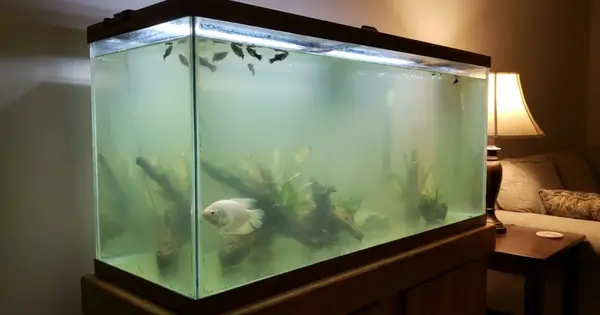
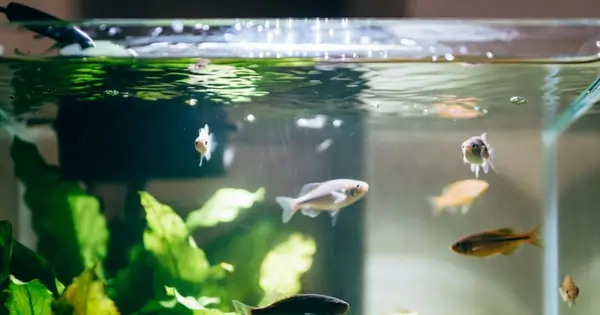
An average aquarium can weigh over 10 pounds per gallon. This fact highlights the considerable commitment required to start your aquascape.
In exploring aquascaping, the challenge of creating a harmonious underwater scene without CO2 has captivated me. This journey towards natural aquarium beauty entails unique challenges, but it also provides tranquil simplicity.
Novices are often encouraged to begin with inert substrates, like simple aquarium gravel or coarse sand. Embracing these humble starts is crucial for a low-tech aquascape, paying attention to minor details that elevate a tank.
Achieving a substrate depth of 2-3 inches, though it seems minor, lays the foundation for a thriving aquatic landscape. A diverse selection of plants can turn a beginner’s setup into a vibrant, colorful ecosystem.
Balance is essential in aquascaping, I’ve found. A dense arrangement of plants yields a lush look and combats algae, ensuring clarity in your aquatic environment.
Placing taller and shorter plants strategically creates depth and openness in the small space of a tank. Beginning with 5-6 hours of daily lighting can fend off algae, maintaining the pure beauty of your aquascape.
Embracing a low-tech aquascape still offers growth opportunities. As plants adapt with smaller, new underwater leaves, your techniques should also adapt.
Slowly increase lighting and fertilization to support your aquascape’s thriving flora. This way, aquascaping without CO2 becomes a peaceful, self-sustaining endeavor, naturally stunning.

Key Takeaways
- Significant weight considerations for aquarium setups, nearly 10 pounds per gallon.
- Starting with inert substrates like aquarium gravel or sand is recommended for beginners.
- Aiming for 2-3 inches of substrate to support plant roots and optimize growth.
- A variety of plants ensures adaptability to various water conditions and depth creates spatial appeal.
- Dense planting is not just for looks; it also curbs algae, keeping your aquascape clean.
- Proper lighting is crucial—start with a conservative duration and adjust as plants grow.
The Low Tech Approach to Planted Aquariums
Entering the world of aquascaping without CO2 might first appear challenging. However, enthusiasts soon appreciate the accessibility and esthetic appeal of low tech aquascapes.
This natural aquarium management style benefits from simplicity, leaning on a careful mix of light, substrate, and plant growth. Together, they create a captivating underwater environment.
Understanding the ‘Low Tech’ Terminology
Discussing ‘low tech aquascapes’ means appreciating the simplicity at its core. This method avoids CO2 systems complexities, opting for easier, more ecological strategies.
A low tech aquascape’s foundation is supporting natural plant processes within an aquarium’s limits without heavy tech use.
Benefits of Low Tech Aquascapes
Low tech aquascaping’s allure isn’t just visual but also practical. Initially, it slashes setup and upkeep costs by avoiding CO2 equipment.
Moreover, it fosters a stable habitat for aquatic life. The modest plant growth rates ease ecosystem adjustments, simplifying water chemistry balance and reducing fluctuations.
This approach offers a peaceful setting with minimal energy use, attracting both novices and experts aiming for a quiet water haven. Diving into low tech aquascaping reveals a method where, with patience and basic principles, anyone can develop a flourishing aquascape sans CO2.
It’s about embracing the lush, calm beauty that emerges.
Selecting the Right Plants for Your Non-CO2 Aquascape
Starting a non-CO2 aquascape offers a rewarding challenge. Choosing the right aquarium plants is vital for a vibrant setup.
Many low CO2 requirement plants adapt and flourish, enhancing your aquascape’s beauty. This is possible without complex high-tech systems.
Choosing Low CO2 Requirement Plants
When selecting non-CO2 aquarium plants, consider their needs. A significant percentage, marked as Easy, thrives with just 0.25 watts per liter, perfect for low-light non-CO2 aquascapes.
Without CO2, regular water changes and balanced lighting help these plants grow well, minimizing algae risks.
However, a Z% of plants are Hard, needing at least 0.75 watts per liter and careful maintenance, typically 1-2 hours weekly.
For them, using a specialized liquid fertilizer, like GardenAquaria PPS Pro, supports their growth in CO2 absence. Medium difficulty plants require 0.5-1 hour of care weekly and 0.5 watts per liter of light.
Popular Plant Choices for Low Tech Tanks
Some non-CO2 plant choices for low tech tanks are especially hardy. Anubias, Java Fern, and Cryptocoryne add lushness without CO2 systems.
Hornwort, Java Moss, and Marimo Moss Balls are low maintenance and adaptable, suitable for all aquarists.
Expanding your plant selection can include Amazon Sword, Vallisneria, and Water Wisteria for their easy care. For visually striking aquascapes, Rotala Indica and Ludwigia Repens create colorful backdrops; African Water Fern and Dwarf Sagittaria add front texture.
Dwarf Hairgrass and Bacopa Caroliniana create a lush carpet, enhancing the aquascape’s look with their low CO2 needs.
Aquatrition’s line of products provides essential nutrients for plant growth in non-CO2 aquascapes. Even resilient plants benefit from supplementation. Thus, picking the right flora is crucial for a thriving, low-tech, attractive ecosystem.
Maximizing the Impact of Hardscape in Aquascaping without CO2
In natural aquarium settings, the significance of hardscape takes center stage, especially in tanks without CO2. Low-tech environments limit plant growth due to the lack of CO2 and intense lighting.
This restriction affects the speed at which plants develop, elevating the importance of a strategic hardscape. I’ve noted that a deliberate hardscape adds depth and interest, balancing the slower plant growth.
The Role of Hardscape in Aquascaping
Arranging inert materials like stones and wood is key in aquascaping, particularly in hardscape-focused tanks. Beyond their visual appeal, these elements fulfill crucial roles. They offer hiding places for fish and shrimps and support substrate stability.
When plants are still immature, a well-designed hardscape ensures the tank never feels bare.
In low-tech tanks, slow-growing vegetation highlights hardscape’s role in maintaining the tank’s allure.
Without frequent large water changes, the hardscape becomes even more vital. It preserves the tank’s aesthetic appeal between maintenance sessions.
Examples of Effective Hardscape-Only Tanks
Stunning hardscape-only aquascapes often feature an array of non-plant materials. These tanks capture the beauty of nature’s landscapes through carefully selected rocks and wood.
The visual depth and narrative they present is captivating, providing a serene backdrop that’s visually striking.
From my experience in setting up a low-maintenance aquascape, the choice of materials like Seiryu rocks or Manzanita wood can define a tank’s look.
Skillfully used, these elements compensate for the lack of plant life, often dependent on expensive CO2 setups. This approach accentuates natural beauty, making low-tech aquascaping a platform for showcasing nature.
Managing light and nutrients with minimal CO2 requires careful planning to prevent algae growth. Plant selection is done with foresight, considering the survivability and compatibility with available nutrients.
Heavily stocking the aquarium is a strategy to meet the challenges of low-tech aquascaping head-on.
This simpler approach reveals that the essence of a natural aquarium isn’t solely based on plant quantity. It’s about creating a harmonious blend, where hardscape plays a significant role.
The charm of a hardscape-focused tank lies in its natural simplicity and authenticity.
Utilizing Soil Substrates for Nutrient Support
Starting an aquascape without CO2 supplementation introduces challenges, particularly in nutrient support for plants. Soil substrates emerge as a vital solution, offering nutrient-rich environments for optimal plant growth and enhancing aquatic life.
Advantages of Soil-Based Substrates
Soil substrates bring numerous benefits. They imitate natural conditions, aiding in the growth and nutrient uptake of aquatic plants.
By integrating aquasoils or raw soils, you establish ecosystems where plants thrive, enhancing their color and health. Soil substrates also promote beneficial bacteria, crucial for the nitrogen cycle.
Products like CaribSea Eco-Complete ADA Aqua Soil Amazonia, or Fluval Stratus Bio are recommended for those pursuing aquascaping. These substrates enrich the water with nutrients and balance pH levels, improving water quality.
Designed to avoid cloudiness and breakdown, these aquasoils ensure your view remains clear.
Comparing Aquasoils and Raw Soils
Choosing between aquasoils and raw soils depends on your aquascape’s needs. While both offer nutrient-rich environments, aquasoils like ADA Aqua Soil Amazonia are pre-processed to prevent water discoloration and are beneficial from the start.
Raw soils may need more prep to reduce turbidity but can provide a richer mineral base once settled.
From my experience, aquasoils are best for beginners due to their simplicity and reliability.
Below is a table comparing their key features:
| Aquasoils | Raw Soils |
|---|---|
| ADA Aqua Soil Amazonia | Processed topsoil or sifted garden soil |
| Ready for immediate use | Needs pre-rinsing and possible treatment |
| Low risk of water cloudiness | Possible initial turbidity |
| Regulates and stabilizes pH | Test pH impact, as it varies |
| Full of plant growth nutrients | Contains natural minerals |
| Typically costs more | A budget-friendly option for larger setups |
Choosing between aquasoils and raw soils involves considering longevity, a key issue with soil substrates.
Over time, soils can degrade, clouding water and depleting nutrients. Using root tabs as fertilizers can replenish essential elements, maintaining plant health.
The ideal substrate depth depends on your tank’s size, usually 1 to 2″ for freshwater and 2 to 3″ for planted tanks. Use this formula for soil needs—Length x Width x Depth of the aquarium / 231 = based volume (gallons) to define amount of aquarium soil. It ensures the right habitat for your plants, both practical and visually appealing.

Selecting the appropriate soil substrate is crucial for a thriving aquascape. Through my experiences, the right soil choice dramatically enhances an underwater landscape’s natural beauty. It’s about more than looks; it’s creating an ecosystem that embodies resilience and purity.
“How to Aquascape Without CO2”: The Importance of Dense Planting
My aquascaping journey has shown how vital dense planting is in a natural aquarium. Creating a lush, CO2-free underwater landscape is more than just looks.
It’s about fostering a self-sustaining environment. Let’s explore the importance of dense planting in maintaining a healthy aquarium ecosystem without artificial CO2.
When exploring lighting for non-CO2 tanks, I discovered interesting findings from the community. For instance, a lower wattage per gallon was suggested to manage algae while supporting plants. This shift showed potential in balancing algae growth and plant health, according to many experienced aquascapers.
The introduction of 20 cherry shrimp led to a notable increase, showcasing dense planting’s benefits. This highlights how well-planned planting can support both flora and fauna. It proves that you don’t need CO2 injections to create an optimal habitat for aquarium life.
- Balance of Light and Nutrients: It’s crucial to match light with nutrient levels to prevent plant deficiencies and algae growth. One aquarist noted the importance of this balance for a healthy tank.
- Contribution of Aquatic Life: The role of tank inhabitants like guppies and snails in nutrient cycling was widely discussed. They enhance the aquascape and aid in plant development.
- Strategic Lighting Setup: Choosing the right lighting, such as a twin bulb setup, can improve light distribution over densely planted areas, crucial for non-CO2 tanks.
- Supplemental Nutrients: Adding products like Excel based on plant needs supports lush growth in densely planted setups without CO2.
Dense planting is key to achieving a thriving natural aquarium. It involves strategic resource use and understanding the ecosystem’s interconnectedness. Let’s review experiences shared by enthusiasts:
| Aspect of Aquascaping | Consideration | User Experience |
|---|---|---|
| Lighting Intensity | Wattage adjustment | Reducing from 3 to 2 watts per gallon |
| Algae Management | Light and nutrient balance | Less light, balanced nutrients, fewer algae issues |
| Livestock Breeding | Impact of dense planting | Cherry shrimp breeding success |
| Supplemental Nutrients | Non-CO2 alternatives | Use of Excel, tailored nutrient dosing |
Choosing an Ideal Tank Setup for a Low Tech Aquascape
Entering the world of aquascaping, selecting the right tank setup is one of my initial critical decisions.
Low tech aquascapes don’t need the complex systems seen in high-tech versions. Yet, they require thoughtful choices about tank depth and lighting plans.
Why Shallower Tanks Work Better
The shallower tank choice for a low tech aquascape goes beyond looks; it’s a deliberate strategy.
Light reaches the bottom easier in these tanks, aiding plant growth. This not only promotes a healthy ecosystem but also simplifies upkeep. The view it offers effectively showcases the aquascape’s elegance.
Choosing Your Tank with Lighting in Mind
Lighting is crucial for a planted tank’s flora health and growth. Tank selection and lighting go hand in hand. I’ve learned T5 bulbs or LEDs are best. They strike a perfect balance of efficiency and intensity for low tech aquascapes.
An effective lighting example for various tank sizes is shown below:
| Aquarium Size | Lighting Type | Watts per Gallon | Plant Difficulty Rating | Recommended Duration |
|---|---|---|---|---|
| Nano (< 15 gallons) | LED | 1 | Easy | 6-8 hours |
| Medium (15-40 gallons) | T5 Bulbs | 2 | Medium | 8 hours |
| Large (> 40 gallons) | LED or Dual T5 Bulbs | 3 – 4 | Hard | 8 hours |
Even a minimalistic lighting method can work well in low tech aquascapes, especially with LEDs. They’re long-lasting and save energy. Remember, keep lighting under 8 hours to avoid algae. In a new tank’s first month, less light is advised.
A daylight color temperature of 6500K makes everything look natural. It brings out the green in plants and supports photosynthesis.
Aligning these elements with your aquascape’s goals is key, whether highlighting plants, providing a peaceful fish habitat, or enjoying nature indoors.

Linking tank setup and lighting choices well turns a low tech aquascape into sustainable art. In these well-planned shallower tanks, light and life merge. They offer a peaceful underwater scene for both the creator and the aquatic life.
Understanding the Role of Fertilization in Low Tech Aquascapes
In my aquascaping journey, I’ve learned that a balanced low tech aquascape needs thoughtful fertilization.
It’s wrong to think these aquascapes don’t require nutrients. In fact, they require specific plant nutrients in the right amounts. This supports plant health and growth at a pace unaffected by CO2 systems.
Key macronutrients include Nitrogen (N), Phosphorus (P), and Potassium (K). These essentials support healthy growth in low tech setups. Given the slow growth in such settings, dosing these nutrients accurately becomes both an art and a science.
We see two main types of fertilizers. Liquid fertilizers offer a balanced nutrient mix with ease of use. On the other hand, dry fertilizers are cheaper but require careful dosing. Then, there are substrate fertilizers like root tabs. They slowly enrich the substrate, aiding root-feeding plants.
There are various dosing methods, like EI Dosing, ADA Dosing, and others.
Each suits different tank needs and philosophies. For instance, Thrive Aquarium Plant Fertilizer provides a comprehensive nutrient range. It suits both low and high-tech aquascapes.
Monitoring nutrient deficiencies is vital in low tech tanks, especially with low fish populations. Nitrogen and phosphorus shortages are common. However, potassium is usually in good supply, especially with products like Plant Care Pro.
I recommend maintaining specific nutrient levels for a thriving tank. These include 5 – 30 mg/L of nitrate, 0.1 – 1.0 mg/L of phosphorus, and 5 – 30 mg/L of potassium. This balance controls algae while promoting plant growth.
A good dosing guideline is using Plant Care NPK: 10 ml/100 L/week. This approach increases nitrate, phosphate, and potassium levels, ensuring a balanced nutrient environment for low tech tanks.
Even with slow growth, we can’t ignore micronutrients. Combining macro and micronutrient dosing is crucial. It ensures plants get a complete nutrient spectrum. This detailed fertilization approach enriches our low tech aquatic gardens.
To conclude, care for a low tech aquascape involves more than water and light. It requires a precise nutrient supply for plant life.
A dedicated aquascaper can establish a thriving ecosystem by focusing on plant health and fertilization. This strategy avoids the complexities seen in high-tech systems.
Low Energy Tanks: Creating a Thriving Ecosystem
Initiating a low energy tank journey demands both patience and a dedication to sustainability.
This pursuit leads to a thriving ecosystem with a small environmental footprint. “Low energy” signifies aquarium setups that minimize electrical equipment use, favoring nature’s processes. It’s about achieving a sustainable balance between flora and fauna.
Defining the Energy Levels of Planted Tanks
Understanding the energy dynamics of planted tanks is complex. Each plant and fish species has unique energy needs.
While high-energy tanks rely on intense lighting and CO2, low energy tanks prosper with less artificial intervention. They benefit from the natural cooperation of fish and plants in a low-light setting.
Setting up a Sustainable Low Energy Planted Tank
Choosing the right elements is crucial for a sustainable tank. Options like Java Moss, which needs little light, and fish including tetras and guppies, suit these environments well.
It’s also important to regularly test water and feed fish appropriately. This prevents waste buildup and maintains water quality.
| Aquarium Component | Low Tech Option | Benefit |
|---|---|---|
| Plant Choice | Anubias, Cryptocoryne, Java Moss | Thrive in low light, less trimming |
| Fish Species | Tetras, Guppies | Produce waste for plant nutrition, less energy intensive |
| Lighting | 4 x 39watt t-5HO (1.25 WPG) | Sufficient for plant growth, energy efficient |
| Maintenance Routine | Weekly water changes, minimal feeding | Stable environment, less energy and resource use |
Low energy tanks have a deep history, dating back to the 1930s Dutch aquascape. This style focused on dense plantings and meticulous arrangements. It laid the groundwork for today’s sustainable planted tank concepts.
Each aquarist, by embracing this approach, contributes to a greener future. A thoughtfully created low energy tank can have a significant environmental impact.
The Underestimated Value of Substrate Depth
In the world of aquascaping without CO2, I’ve learned how crucial proper substrate depth is. It’s not just about looks; it’s about fostering a nutrient-rich environment for plants.
Scientists have shown how important substrate depth is for water ecosystems. I aim to simplify these insights and suggest substrate recommendations for aquascapers.

Choosing the Right Substrate for Nutrient-Rich Environments
When choosing substrates, we must see how they help create nutrient-rich environments.
A study by Bertani et al. (2017) found a significant percentage of research focused on managing cyanobacteria blooms. Properly deep substrates help control these potential outbreaks.
The work of Lürling et al. (2018) adds evidence, with a majority of studies showing algae’s reaction to nutrient and temperature changes. This shows the direct interaction between substrates and these environmental elements.
Such findings are key, especially for those not using CO2 systems.
Substrate Depth Recommendations
Research consistently underscores the relevance of substrate depth. Lyu et al. (2020) highlight its role in controlling cyanobacteria and algae in water bodies. Metcalf & Codd (2020) also emphasize substrate depth’s impact on environmental health.
From my perspective, choosing the right substrate depth for your aquascape is critical. Studies, like those by Kultschar & Llewellyn (2018), emphasize the importance of considering substances that regulate toxins in water. It’s about achieving a balanced and natural aquatic environment.
Measuring Flow and Filtration Needs for Your Aquascape
In embarking on aquascaping, I’ve realized balancing flow and filtration is key. This holds true for both traditional and non-CO2 aquascapes. Getting this balance right allows your ecosystem to flourish, simulating natural environments where plants and fish thrive.
Choosing the right equipment begins with knowing your tank’s size and the style you’re aiming for. Smaller tanks, under 40 gallons, usually do well with hang-on filters. In contrast, larger tanks, over 40 gallons, require more powerful canister filters for effective water movement.
Understand the needs of your aquarium’s plants and animals. For a Dutch style aquascape, which is densely planted, a moderate flow is necessary. This prevents uprooting while ensuring clean water. Alternatively, Jungle aquascapes, filled with hardier plants, benefit from stronger currents that mimic their natural settings.
Creating a Blackwater biotope involves a gentler approach. The setup, adorned with driftwood and leaves, needs a soft flow. This recreates a calm, shaded habitat, enhancing the ambiance of such specialized environments.
To clarify, here’s a guide detailing flow and filtration choices for different aquascapes:
| Aquascape Style | Recommended Filter | Flow Rate (GPH) | Additional Notes |
|---|---|---|---|
| Dutch Style | Moderate-capacity Canister Filter | 150-200 | Consistent but gentle flow to not disturb plant setup. |
| Jungle Style | High-capacity Canister/Hang-on Filter | 200-250 | Higher flow to simulate river-like conditions. |
| Blackwater Biotope | Canister Filter with Peat Filtration | 100-150 | Soft flow, consider darker lighting. |
| Ryoboku/Iwagumi | Canister Filter with Glass Outflow | 200-250 | Clear appearance and unobtrusive equipment. |
A key aspect in aquascaping is ensuring adequate oxygen levels, ideally between 6-8 mg/L. For aquascapes, especially without CO2, air stones or water pumps are beneficial. They not only enhance oxygenation but also add to the visual appeal.
For optimal growth and water quality, I use LED lights and the Aquarium Pharmaceuticals Freshwater Master Test Kit. Routine maintenance is streamlined with tools like gravel vacuums and algae magnets. These are critical for sustaining a non-CO2 aquascape.
My aquascaping essentials list includes items like Seachem Flourite Black Gravel and Seachem Flourish fertilizers.
A reliable heater ensures the right temperature, and a dependable fish net is crucial for managing the inhabitants. Every element contributes to creating a balanced, healthy aquascape.
Aquarium Plant Care: Fertilization without CO2
For a thriving underwater garden, understanding aquarium plant care is essential, particularly without fertilization with CO2.
These tanks require a specialized approach to nutrients. They demand knowledge of the dynamics in low tech systems. Learning to optimize aquarium fertilizers is key for flourishing aquatic plants.
Choosing and Utilizing Aquarium Fertilizers
Choosing the right aquarium fertilizers is crucial for plant health in low CO2 environments. Many aquarists opt for a simpler approach, using balanced fertilization and low light.
Tom Barr states that key nutrients like Nitrogen, Phosphorus, and Potassium, along with Iron, don’t necessarily cause algae in low tech tanks. CO2 levels control plant and algae growth, maintaining ecosystem balance.
For substrates, select options with high Cation exchange capacity. This lets roots absorb essential nutrients. Including peat or Leonardite can boost the available nutrient profile. With slower growth rates and controlled lighting, nutrient overload and algae are less probable.
Regular Fertilization Schedules for Optimal Plant Health
Regular fertilization schedules are vital for plant growth and health. Monitoring plant responses allows for necessary dosage adjustments. This table recommends dosages for low tech setups, promoting a healthy environment through balanced nutrient dosing and water changes:
| Nutrient | Function | Weekly Dosage | Notes |
|---|---|---|---|
| N, P, K (Macro) | Essential for growth | Varies based on biomass | High levels can be maintained without CO2 |
| Fe, Mn, Cl, Cu, B, Mo, Co, Ni (Micro) | Crucial for various plant processes | 1ml per 10 liters (TNC Lite) | For lightly planted tanks or high fish load |
| CO2 | Enhances nutrient absorption | N/A | Low levels can limit both plant & algae growth |
| Light | Drives photosynthesis | 8 hours or less | Prevents algae growth |
| Water changes | Removes waste, replenishes nutrients | 50% weekly | Maintains tank balance |
Dense planting can increase the demand for N, P, and K, crucial for health under various light conditions. By consuming these nutrients, plants compete with algae, reducing outbreak chances. A well-planned fertilization strategy is key, even without CO2.
Conclusion
Creating a natural aquarium without CO2 can be highly rewarding and peaceful. Selecting plants like Anubias, Java Fern, and Java Moss is key. They thrive in low light and don’t need much CO2, making them ideal for beginners and those preferring a simpler setup.
Adding these plants not only beautifies the aquarium but also makes it more forgiving for newcomers.
Aquarium upkeep can become costly, especially with CO2 systems. But choosing plants that don’t need CO2 can save money and effort over time.
Aquatrition offers products like Liquid Carbon, designed for such plants. These foster growth and color without the high costs associated with CO2 equipment.
A low-tech aquascape’s success isn’t just about the plants and products. It’s about creating the right environment. Proper lighting and careful arrangement of rocks and driftwood are crucial.
I encourage aquascaping enthusiasts to continue exploring CO2-free setups. Embrace your plants’ natural resilience and enjoy the calm beauty of a low-maintenance water garden.
FAQ
Can I create a beautiful aquascape without using CO2?
Without a doubt, crafting a captivating aquascape without CO2 is possible. Opt for the right plants and soil-based substrates. Ensuring effective flow and filtration also aids in sustaining a beautiful aquarium environment.
What are low tech aquascapes?
Low tech aquascapes are systems without CO2 enhancements for plant growth. They avoid the complexities of CO2 systems, offering a simpler setup approach.
Which plants are suitable for low tech aquascapes?
Specific plants flourish under lower CO2 conditions, perfect for non-CO2 setups. Anubias, Java Fern, and Cryptocoryne are among the top picks for these aquariums.
How important is the hardscape in a non-CO2 aquascape?
In aquascapes lacking CO2, where plant growth is slower, the hardscape gains importance. It becomes a key element, adding interest and structure to your setup. Thus, it’s essential for crafting an engaging aquascape.
Should I use soil-based substrates for my non-CO2 aquascape?
Leveraging soil-based substrates is beneficial for non-CO2 aquascapes. They are rich in nutrients, supporting plant life efficiently without external CO2. Aquasoils and raw soils are effective options.
How important is dense planting in a non-CO2 aquascape?
Dense planting is pivotal for a thriving non-CO2 aquascape. It fosters a lush, balanced environment, encouraging natural plant growth while combating algae. This approach is key to a healthy planted tank.
Should I choose a shallower tank for my low tech aquascape?
Opting for a shallower tank offers numerous benefits in a low tech setup. It ensures better light distribution, simplifies maintenance, and enhances plant growth. Choosing such a tank, with sufficient lighting, is advisable.
How important is fertilization for a non-CO2 aquascape?
Even in non-CO2 aquascapes, understanding fertilization’s role remains critical. It’s less demanding than CO2-rich environments but essential. Regular application of specific aquarium fertilizers nourishes the plants sufficiently.
What are the energy levels of planted tanks?
Tanks hosting plants vary in energy levels, influenced by lighting and other dynamics. Grasping these differences helps in creating a successful low maintenance aquascape, thriving without high energy inputs.
How important is substrate depth in a non-CO2 aquascape?
The depth of your substrate significantly impacts your plants’ health in a non-CO2 tank. Selecting an appropriate substrate and maintaining optimal depth are crucial for fostering robust plant life and aquascape success.
What should I consider for flow and filtration in a non-CO2 aquascape?
Understanding the specific flow and filtration needs is vital for any aquascape, including those without CO2. This knowledge is fundamental for sustaining a healthy environment for plants and aquatic life.
How should I fertilize my non-CO2 aquascape?
Fertilizing remains crucial even in a non-CO2 setting. Selecting suitable fertilizers and adhering to a fertilization schedule promotes vibrant plant growth. This practice ensures the health and beauty of your aquascape.
Can I create a natural aquarium without using CO2?
Absolutely! By adopting the strategies outlined here, you can design a natural, enchanting aquarium without CO2. Embrace CO2-free aquascaping to unveil the mesmerizing beauty of a natural aquatic world.
Source Links
- https://www.aquariumcoop.com/blogs/aquarium/beginner-planted-aquarium
- https://gardenaquaria.com/pages/choosing-the-right-plants-1
- https://www.aquatrition.in/non-co2-aquarium-plants/
- https://www.practicalfishkeeping.co.uk/features/how-to-set-up-a-low-maintenance-aquascape-at-home/
- https://www.ncbi.nlm.nih.gov/pmc/articles/PMC8423362/
- https://www.atlas-scientific.com/blog/do-aquarium-plants-need-soil/
- https://www.plantedtank.net/threads/high-light-no-co2-what-are-the-issues.99829/
- https://www.aquariumgardens.co.uk/lighting-guide-26-w.asp
- https://fantaseaaquariums.com/freshwater/how-to-aquascaping/
- https://nilocg.com/blogs/news/fertilizer-requirements-low-tech-vs-high-tech-planted-tanks
- https://dennerle.com/en/products/care/plant-care/level-2-for-heavily-planted-aquaria/plant-care-npk/
- https://www.healthcareforpets.com/article/plants-and-fish-creating-a-balanced-ecosystem-in-your-aquarium/
- https://www.aquaticplantcentral.com/threads/aquascaping-in-low-tech.78536/
- https://en.wikipedia.org/wiki/Aquascaping
- https://www.ncbi.nlm.nih.gov/pmc/articles/PMC10535532/
- https://www.basicknowledge101.com/subjects/environmentalawareness.html
- https://www.marineandreef.com/Articles.asp?ID=329
- https://atlas-scientific.com/blog/do-aquatic-plants-produce-oxygen/
- https://aquariumfertilizer.com/how-to-setup-a-non-co2-low-tech-planted-tank/
- https://www.aquariumgardens.co.uk/nutrients-guide-27-w.asp
- https://aquatrition.in/non-co2-aquarium-plants/
- https://zenaquaria.com/aquascaping-tips/