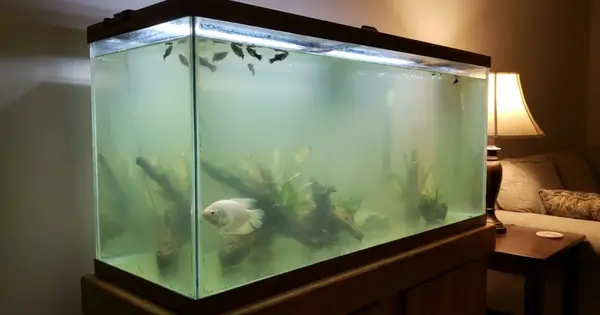
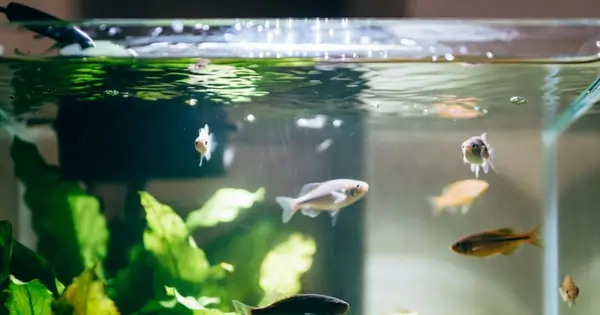
As someone who loves aquariums, I’ve found that putting new fish in a tank needs calm planning. Just a tad different in water temp or chemistry could hurt both new and old fish.
Adding fish too quickly or at once is bad news. It can mess up the whole tank’s balance and stress out the fish. So, I check the water first for chlorine and pH levels. They’ve got to be right for the new fish.
Key Takeaways
- Gradually acclimate new fish to the tank’s conditions to minimize stress.
- Test water parameters regularly to maintain a healthy environment.
- Avoid overcrowding by introducing new species in stages.
- Consider fish compatibility to prevent aggression and territorial disputes.
- Quarantine new arrivals to prevent the spread of diseases.

Understanding the Importance of Fish Compatibility
Keeping an aquarium healthy needs thought on fish compatibility. Wrong fish together can cause stress, fighting, and disease. This harms the whole tank’s ecosystem.
Why Fish Compatibility Matters
It’s vital to ensure the fish in your tank get along. If not, they can fight or get sick. This upsets the aquarium’s balance.
Factors Affecting Fish Compatibility
Where fish come from and their natural behavior affects if they can live together. Some need specific water conditions. Plus, some fish are just more aggressive. This can cause problems in the tank.
Territorial Behaviors and Tank Size Considerations
Tank size matters when choosing fish. Bigger tanks let fish have their space, which reduces fights. Smaller tanks can make fish more aggressive. Adding hiding spots and clear territories helps.
Knowing the importance of fish compatibility helps you make good choices for your tank. This keeps your aquarium a peaceful and healthy place for all fish, making your hobby more enjoyable.
Preparing Your Established Tank for New Arrivals
Before adding new fish to your tank, check if it’s ready. It’s key to keep the water just right and make a peaceful spot for them. This helps the new kids on the block fit in without any drama. Basically, we want their move to be easy.
Monitoring Water Parameters
Good water is a must for happy tank life. Before you get new fish, do a checkup on the water. Test things like the temperature and how acidic the water is.
Make sure all these numbers are good for the type of fish you’re getting. Knowing how to slowly introduce them helps lower their stress.
Rearranging Decorations and Removing Established Territories
Old fish might have their favorite places in the tank. When new fish come in, they might not like that. To keep the peace, change up the tank’s look.
Take away any spot the old fish think is theirs. This way, it’s like a new start for everyone. The new fish can find their own spot without being bullied, which is much nicer for everyone.
Do these steps to make your new fish feel at home right away. A good start helps them blend in with the old gang in the tank.
| Acclimation Method | Duration | Suitable For |
|---|---|---|
| Float Method | At least 20 minutes | General fish |
| Drip Method | 30 minutes to 1 hour | Sensitive fish and invertebrates |
Remember, slowly getting your tank ready for new buddies is key. It helps keep the balance and makes sure everyone gets along.
Selecting Compatible Species
Choosing the right fish for your aquarium is key to peace and health. If you mix the wrong fish, they might fight or get stressed. You need to think about where the fish come from, what they need, and how they act.
Considering Species Origins and Requirements
Every fish has its own needs. For example, you shouldn’t mix saltwater and tropical freshwater fish. This is because they need different water conditions. Do your homework to make sure new fish will be happy in your tank.
Avoiding Aggressive or “Nipping” Fish
Some fish are bullies. They might pick on others, causing fights or injuries. Be careful with fish like cichlids or bettas. They can be territorial or aggressive.
Exploring Popular Tropical Fish Species
Look for peaceful fish if you’re new to aquariums. Popular tropical fish like tetras or gouramis are good choices. They can live happily with others if you select them carefully.
- Tetras (Neon, Cardinal, Rummy Nose)
- Danios (Zebra, Leopard, Pearl)
- Corydoras Catfish (Bronze, Panda)
- Rainbowfish (Boeseman, Neon, Celebes)
- Dwarf Gouramis
- White Cloud Mountain Minnows
Before adding any fish, check if they’ll get along with your current ones. Think about the new fish’s needs and behaviors. This way, your aquarium can be a beautiful and peaceful home to compatible fish.
Proper Acclimation and Introduction Procedures
When adding new fish to your tank, it’s crucial to plan and acclimate them correctly. This is essential for their survival and well-being. Skipping this step can cause stress and disease transmission, risking the health of your fish.
Step-by-Step Acclimation Guide
Here’s a guide to slowly get your new fish used to their new home:
- First, set up a quarantine tank and let the new fish stay there for 2 weeks first.
- After that, float the closed fish bag in the tank for 20 minutes to match the water temperature.
- Next, open the fish bag and pour 50-100% of the tank water into it. This helps them adjust slowly.
- For very delicate fish like shrimp, slowly add tank water using the drip acclimation method. Aim for 2-3 drops per second over 30 minutes to an hour.
- Finally, gently let the fish out into the main tank. Make sure there are hiding places to lower stress.
Using a Quarantine Tank
A quarantine tank is vital for keeping an eye on new fish and avoiding disease spread. By keeping new fish isolated for 2 weeks, you can check their health. This is before adding them to the main tank.
Providing Hiding Places for New Arrivals
When you add new fish to your tank, make sure there are plenty of hiding places. Use rocks, driftwood, and thick plants. It helps lower aggression and lets the new fish adjust smoothly. The right acclimation procedures are key to a peaceful tank and the well-being of all fish.
Introducing New Species to Established Tanks
When you add new fish to a tank, do it carefully. Make sure there’s no trouble and use a smart plan. A key part is to feed the old fish first. This makes them less likely to pick on the new additions.
Adding New Fish in Stages
Don’t rush new fish into your tank all at once. A better way is to add them slowly. This lets your tank settle and keeps everyone happy. It also makes sure no one fish gets bullied by the others.
Dimming Lights and Allowing Exploration
For new fish, make their first days calming. Turn the lights down and let them check out their new home quietly. This method helps them feel safe and fit in with the other fish better.
Use these tips for a successful mix of fish in your tank. Remember, taking your time and watching for details are vital steps. They help keep the peace, the water clean, and everyone in the tank happy.
| Factor | Importance |
|---|---|
| Tank Size | Larger tanks make it easier to mix fish with different behaviors and territorial tendencies. |
| Stocking Levels | Adding more than one fish at a time reduces the chances of an individual being singled out and harassed. |
| Fish Behavior | Introducing smaller, more passive fish first, then gradually adding larger, more territorial species. |
| Acclimation Process | Properly acclimating new fish and providing hiding places are essential for a stress-free introduction. |
| Aggression Management | Feeding existing fish before introducing new ones can reduce aggression towards newcomers. |
Managing Aggression and Territorial Behaviors
When bringing in new fish, it’s important to watch out for aggressive and territorial actions in the tank. Fish may fight over who’s boss and for food and space.
Identifying Signs of Aggression
First, you need to know what aggression looks like in fish. Signs include chasing, biting, or fleeing. Keep an eye on damselfish and maroon clownfish as they can be more aggressive.
Separating Aggressive Fish
Severe fights and ongoing bullying mean it’s time to step in. You might need to move the bully fish elsewhere for a bit. Males may be more territorial, especially with their own kind.
It can be helpful to mix up the tank’s look. Changing up decorations and hiding spots can lower tension. A full tank with many hiding places often keeps the peace better. A tank without these areas might see more fighting.
By keeping an eye out for fights, moving bullies when needed, and changing the tank’s layout, we can help different types of fish get along. This way, the tank can be a peaceful place for all.
Monitoring for Diseases and Health Issues
When you add new species to your tank, start with quarantine procedures. This stops diseases from spreading. Watch the water and look for sick signs early. This makes sure your tank stays healthy.
Quarantine Procedures for New Arrivals
Always have a separate tank for new fish. This lets you keep an eye on them for health problems. It also stops them from making your main tank sick. Check on them a lot and treat them if they show any signs of being ill.
Recognizing Signs of Illness
Watch your new fish for odd swimming, not eating, or any wounds. Look for tiredness, gasping for air, white spots, ripped fins, or color loss. Catching these signs early lets you act fast to keep your tank safe.
Treating Diseases and Maintaining Optimal Water Quality
If a fish looks sick, treat them fast. Talk to an expert for the right meds. Also, keep your water top-notch with changes and checks. This keeps everyone, including new fish, healthy.
| Symptom | Potential Cause | Treatment |
|---|---|---|
| Cloudy water | Bacterial bloom | Increase water changes, add beneficial bacteria |
| Ammonia/Nitrite spike | Lack of beneficial bacteria | Perform water changes, add bacteria starter |
| Algae growth | Nutrient imbalances, organic matter | Adjust lighting, reduce feedings, add algae eaters |
Adhering to good quarantine, illness-watching, and water care is key. This way, you can safely bring in new friends to your tank. It lowers the risk of disease and helps fish adjust smoothly.
Stocking Levels and Tank Size Considerations
When adding new species to a tank, how much you add and the tank size matter. This keeps your fish healthy and happy. If you put too many fish in, they might fight and get stressed. This can make the water bad for everyone living there.
Determining Appropriate Fish Density
People say you can have one inch of fish for every one gallon of water. But, it’s not the same for all fish. Bigger fish need more room. Goldfish and cichlids are examples. They might need one inch for every two gallons.
Another good way to think about it is the fish-to-water surface area. For every inch of fish, you should have seven square inches of water’s surface. This is about making sure there’s enough air and room for the fish to breathe.
Fish stocking calculations should adhere to the 1:7 fish to water surface area ratio guideline for optimal fish health and ecosystem balance.
Providing Ample Swimming Space
The fish-to-water surface area rule matters for how much space fish need to swim. Bigger tanks with more room at the top let in more air. This means you can have more fish. Generally, you can have about one inch of fish for twelve square inches of tank top.
Remember, fish need space to swim and to feel safe. Placing them right in the tank and picking friends that get along help. Always think about how big they will get.
To keep an aquarium healthy, watch the water and how your fish act. Add new fish slowly and not all at once. Do regular cleaning and water changes. These steps help all fish live well together and make a happy home.
Tips for Successful Species Coexistence
Adding new species to an aquarium needs careful planning. It’s key to go slow, keep the water just right, and make sure there are places to hide. With these steps, different species can live together happily.
Gradual Introduction of New Fish
When you’re adding fish to a tank, do it slowly. Jumping in too fast can make everyone stressed and mad. Start with a few new friends and let them get used to their new home. This slow start helps everyone get along better.
Maintaining Optimal Water Conditions
Good water equals happy fish. Check the water often for things like pH, temperature, and ammonia. Keep the water clean with regular checks and by changing some of it now and then. This keeps your fish healthy.
Providing Hiding Spots and Territories
Fish feel better when they have their own space. Add places to hide like caves and trees. This helps shy fish feel safe. It also gives each fish their own area which can lower fighting.
Use these steps to make your aquarium a great place for all fish. Being patient and looking after your tank well are the secret to success.
| Species | Origins | Behavior | Compatibility |
|---|---|---|---|
| Apistogramma Dwarf Cichlid | South America | Peaceful, territorial | Green Neon Tetra |
| African Cichlids | Africa | Territorial, aggressive | Synodontis Catfish |
| Catfish | Various | Predatory | Larger fish |
| Arowanas | Asia | Predatory | Larger fish |
| Bichirs | Africa | Predatory | Larger fish |
Conclusion
Adding new fish to an aquarium is a serious task. It needs careful planning and focus.
As someone who loves aquariums, I know how critical it is to understand fish compatibility, tank cycling, and acclimating new fish. I watch the water quality, handle any aggression, and follow quarantine rules. This helps me keep a happy and healthy fish home.
Making your tank a home for everyone is a journey. I always start by checking if the new fish get along with the old ones. This includes looking at where they’re from and if they have similar needs.
I let the new fish adjust slowly, give them places to hide, and make sure everyone behaves. This way, different fish can live together happily.
By being careful and knowing what to do, I can welcome new fish without trouble. With patience and knowledge, my aquarium becomes a place where many fish live in peace. The result is a beautiful tank where different fish show how well they can live together.
FAQ
Why is fish compatibility important when introducing new species to an established tank?
Choosing the right fish plays a key role in a healthy aquarium. If fish don’t get along, it can cause trouble like stress and sickness. It’s important to pick fish that will live well together based on where they come from, how they act, and how big your tank is.
What steps should I take to prepare my established tank for new arrivals?
To prepare, check your water and make sure it’s perfect for new fish. It also helps to change up the tank’s look and spread out any favorite spots for current fish. This can make the new guys less stressed and fit in better.
How do I select compatible species for my aquarium?
When picking new fish, look at where they naturally live and what they need to be healthy. Don’t mix fish that can’t live together, like ocean and freshwater fish. Make sure you know if any of your choices could be too pushy or might bite. Doing your homework on which fish can be friends will help avoid trouble.
What is the proper acclimation process for introducing new fish to an established tank?
Getting new fish used to your tank slowly is very important. Follow a good set of steps to adjust them to the water. Keeping them by themselves at first can keep sickness from spreading. Also, putting in spots to hide can make things less stressful for everyone.
How can I manage aggression and territorial behaviors when introducing new species?
Watch your fish closely when you add new ones. If someone’s picking on others, you might have to move them to a timeout tank. Moving around the tank’s look can help everyone find their own area and maybe prevent fights.
What are the quarantine procedures for new arrivals, and why are they important?
Quarantine is a big deal for keeping your tank healthy. Watch for fish that act sick or have strange spots. If you catch something early, you can fix it and keep the sickness from spreading, which keeps everyone happy and well.
How do I determine the appropriate stocking levels and tank size for my aquarium?
Think about how many fish and how big they’ll grow, and match them to a big enough tank. Too many fish can lead to fights and bad water. Find the right balance based on fish type and behavior, so everyone has enough room and gets along.
What tips can you provide for successful species coexistence in an aquarium?
Adding new fish slowly gives everyone time to get along. Keep your water clean and safe with regular care. Also, give different fish their own spaces, like hideouts, so they feel at home. This keeps the peace and makes for a happy tank.
Source Links
- https://www.cdaquatics.co.uk/adding-new-fish-to-established-tank-55_blog_post
- https://www.healthcareforpets.com/article/plants-and-fish-creating-a-balanced-ecosystem-in-your-aquarium/
- https://aquaforest.eu/en/articles/how-to-acclimate-new-fish-to-tank-methods-tips-aquaforest/
- https://oceanfloorstore.com/best-freshwater-fish-combinations/
- https://www.thesprucepets.com/starter-fish-1381258
- https://hubpages.com/animals/Successfully-Introducing-New-Fish-to-Your-Tank
- https://krakencorals.co.uk/blog/tips-for-managing-territorial-fish
- https://www.boodleshireaquatics.com/post/fish-aggression-causes-and-solutions
- https://interpet.co.uk/support/we-can-help-you-with/starting-out/what-is-new-tank-syndrome/
- https://www.thesprucepets.com/amount-of-fish-and-aquarium-size-1378335
- https://icanaquarium.com/ideal-fish-stocking-density/
- https://www.bulkreefsupply.com/content/post/set-up-for-success-by-biome-cycling-ep-7
- https://edis.ifas.ufl.edu/publication/AG463
- https://www.ncbi.nlm.nih.gov/pmc/articles/PMC7087615/
- https://www.fao.org/3/w1238e/W1238E08.htm